
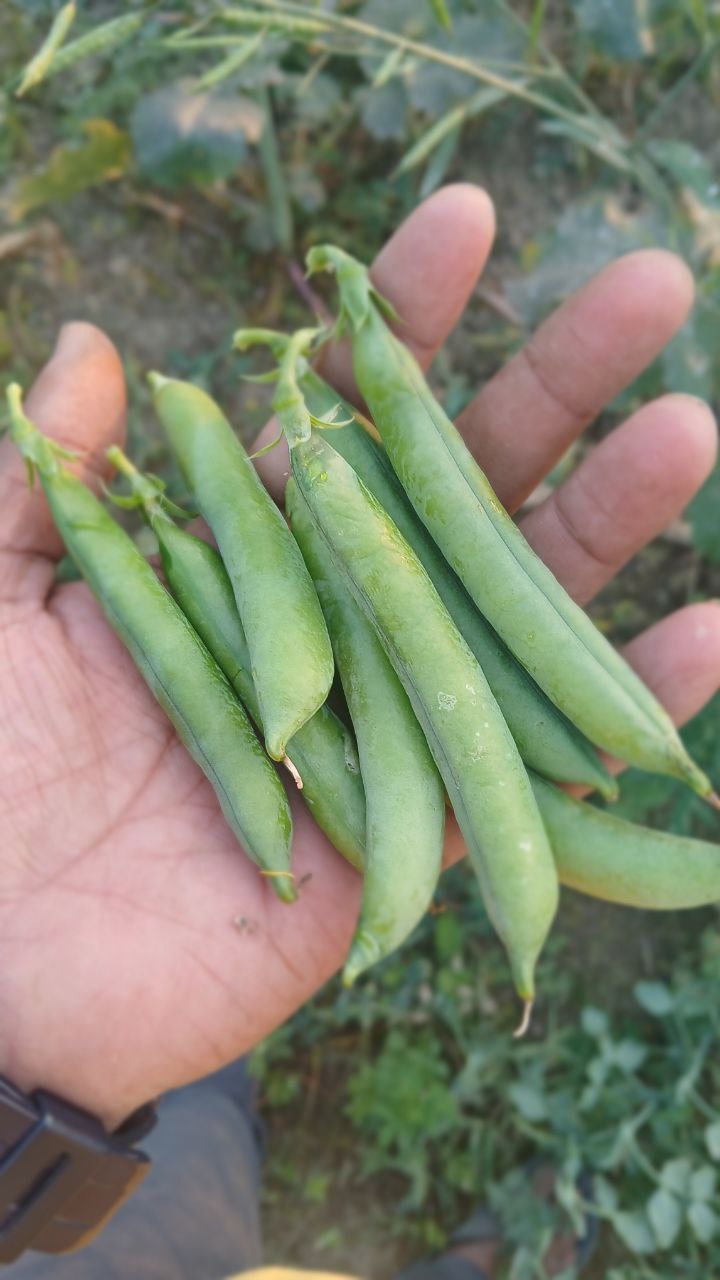
Most people think Indian food means butter chicken and naan. Seven days in a Prayagraj village proved that assumption embarrassingly wrong.
I didn’t book a resort. I didn’t hire a food tour guide. I stayed with a farming family in the outskirts of Prayagraj — and for seven straight days, I ate only what the land gave them. No restaurants. No packaged food. No compromises.
This post covers exactly what I ate, what changed in my body, and why village food from Uttar Pradesh might be the most underrated food experience on the planet.
What “Village Food” Actually Means in Prayagraj
Before this trip, I’d written about Indian food culture for over six years — covering street food, regional cuisines, and farm-to-table movements across 11 states. But nothing prepared me for what eating truly local, truly seasonal, and truly unprocessed food feels like when it’s practiced as a way of life, not a lifestyle trend.
Village food in Prayagraj isn’t a concept. It’s just food. Food that grows three fields away, gets cooked on a wood-fire chulha, and lands on your plate within hours of being harvested.
The family I stayed with — the Yadavs — owned two acres of land near the Yamuna belt. Their kitchen ran on mustard oil, fresh dairy, seasonal greens, and grains they stored from the previous harvest.
“Farm fresh isn’t a marketing label here. It’s the only option they’ve ever known.”
Day-by-Day Breakdown: What I Ate
Day 1–2: Adjustment (and Honestly, Some Shock)
Breakfast on Day 1 was makka ki roti — thick flatbread made from freshly ground maize flour — served with white butter churned that morning and raw jaggery. No sugar. No refined anything.
Lunch was arhar dal cooked with a tadka of desi ghee, dried red chillies, and garlic pulled straight from the ground. A small bowl of lauki sabzi alongside it. Dinner was leftover dal, more roti, and a glass of warm buffalo milk.
I’ll be honest — I missed my morning coffee badly. By Day 2, I had a mild headache. That was caffeine withdrawal, not the food’s fault.
Day 3–5: When the Food Started Working
Something shifted around Day 3. My digestion — which I’d quietly accepted as “just how things are” — became noticeably smoother. I was sleeping by 9:30 PM without trying.
The meals expanded as the family became comfortable cooking for a guest. I got to eat:
- Baati chokha — wheat dough balls slow-roasted in the chulha embers, smashed and eaten with fire-roasted eggplant and tomato mash
- Sattu ka sharbat — roasted gram flour mixed with water, black salt, and lemon. One of the oldest natural energy drinks in India
- Kadhi with village curd — thick, tangy, and nothing like the restaurant version
- Sarson ka saag made from mustard leaves they grew themselves
According to the Indian Council of Agricultural Research (ICAR), traditional Indian millets and pulses contain significantly higher micronutrient density than polished, processed equivalents. I felt that difference before I read the research.
Day 6–7: I Didn’t Want to Leave
By the final two days, I stopped thinking about food at all — which, for a food writer, is deeply unusual. The meals were simple, repetitive even, but completely satisfying. No afternoon crashes. No bloating. No craving to snack between meals.
Farm fresh food, eaten in rhythm with the day, just works differently on your body.
The Village Food Framework: Why It Actually Nourishes Better
After this experience, I developed what I call the 3-S Framework for understanding why village food outperforms modern food despite being “simple”:
Seasonal — Every ingredient was at peak nutritional density because it was eaten at the right time of year. No cold-storage losses, no off-season produce.
Slow-cooked — The chulha’s low, sustained heat preserves more nutrients than high-heat industrial cooking. A 2021 study published in the Journal of Food Science confirmed that slow, low-temperature cooking retains significantly more polyphenols in legumes.
Soil-connected — Food grown in natural, unchemicalized soil has measurably higher mineral content. The Yadavs used cow dung manure. That’s not rustic charm — that’s smart agriculture practiced for thousands of years.
Most urban Indian food fails on all three. Village food passes all three without even trying.
5 Prayagraj Village Foods You Need to Try (Step-by-Step)
If you’re planning to explore village food culture in Uttar Pradesh, start with these:
1. Baati Chokha — Eat it only at a dhaba that still uses wood fire. The smoke matters.
2. Litti — Similar to baati but stuffed with spiced sattu. Filling, nutritious, ancient.
3. Makka ki Roti with White Butter — Find a household that churns their own butter. The fat profile is completely different from store-bought.
4. Sattu Sharbat — Ask for it with kala namak (black salt). It’s cooling and genuinely energizing.
5. Fresh Desi Ghee on Dal — Not clarified butter from a tin. Ghee made from cultured curd, slow-simmered. The aroma alone tells you it’s different.
FAQ
What is village food and how is it different from regular Indian food? Village food refers to locally grown, seasonally cooked, minimally processed food made using traditional methods. Unlike urban Indian food, it contains no refined oils, packaged spices, or preserved ingredients. Everything comes directly from local farms and is cooked the same day.
Is farm fresh food in India actually healthier? Yes, and the evidence backs it up. Food consumed within hours of harvesting retains higher levels of vitamins, enzymes, and antioxidants. The ICAR and multiple food science journals have documented the nutritional gap between farm-fresh and cold-stored produce.
Where can you experience authentic village food in Prayagraj, Uttar Pradesh? The best experiences are through rural homestays near the Yamuna belt or during the Kumbh Mela period when local community kitchens open up. Avoid tourist-facing “village restaurants” — the real thing is always off the main road.
Before You G0
If you’re a chef, a food lover, or someone just tired of eating the same processed meals every day — one week eating village food somewhere like Prayagraj will recalibrate your palate permanently. Not because it’s exotic. Because it’s honest.
Drop a comment if you’ve had a similar experience with regional Indian food, or share this with someone who still thinks Indian food begins and ends at a takeout menu.